Employment Verification
Employment verification is the process of confirming the accuracy of a candidate commonly conducted by employers during recruitment as part of BGV processes. Additionally these checks are also conducted by banks, landlords, background screening agencies, and government authorities may request employment verification when decisions depend on a person’s job stability, income level, or professional experience.
This process usually involves confirming the major employment details such as the name of the organization, job title or designation, dates of employment, salary or compensation information. The scope of information shared may vary depending on legal requirements, company policies, and the purpose of the request. Verification may be carried out directly by the employer’s human resources department or through a third-party verification service that specializes in managing and authenticating employment data.
What Does Employment Verification Confirm?
An employment verification helps employers verify some of the major details like the candidates employment dates, job title and their salary. Employers may also have access to some additional insights like the feedback on the candidate's code of conduct, formalities and the reason for leaving the previous organization.
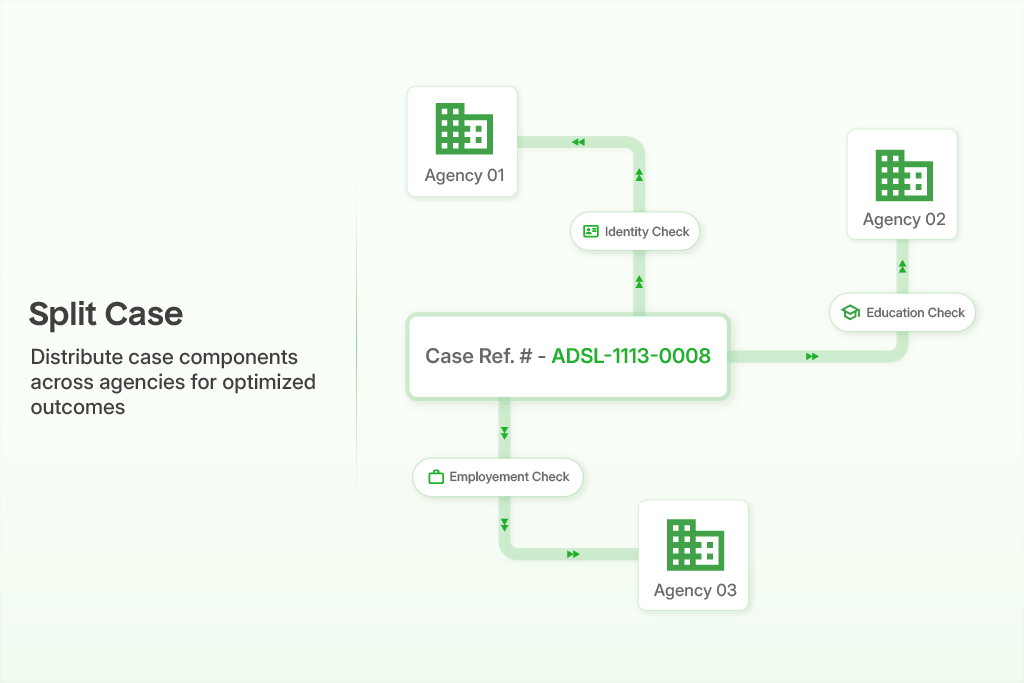
Breaking down the various methodologies of how this check can be completed, you can say it can be done by doing direct employer verification i.e. contacting the previous employer directly. There are some other possible ways as well like database check, document validation etc.
In most situations, the individual’s written consent is required before employment details are disclosed. This ensures compliance with privacy laws and promotes responsible handling of personal information. Protecting confidentiality is a critical aspect of the process.
Role in Background Verification (BGV) Process
There are a few reasons why companies need to verify employment. However, the reasons often differ based on the type of company requesting employment information. For example, creditors who provide loans and lines of credit, such as a mortgage or credit card, request employment information to ensure active employment and stable income to meet loan or credit obligations. These parties want to ensure an applicant has enough money to pay a loan or credit amounts in full and on time.
On the other hand, parties like employers considering new employment might request employment background to cross-check information provided on a job application. Prospective employers want to ensure an applicant is providing accurate information and has the necessary skills and experience to fill the role they’re applying for.