Education Verification
Education Verification is simply the process of confirming a candidate’s educational background. This includes degrees earned, dates of attendance, the scores/ grades and honors received. This check is considered to be one of the most crucial steps for employers to ensure that they are hiring qualified individuals and to maintain the integrity of their workforce.
Simply put, the check helps answer a very basic but important question: Are these academic claims genuine and issued by a recognised institution? This verification step is a standard component of modern hiring and due diligence practices, helping organisations establish factual clarity around educational achievements.
The purpose of education verification is to prevent fraud and misrepresentation. Some individuals may exaggerate or falsely claim qualifications to improve their employment prospects. By verifying academic records directly with the issuing institution or through authorized third-party agencies, organizations can confirm details such as the name of the institution, dates of attendance, field of study, and whether the qualification was successfully completed.
What Does Education Verification Confirm?
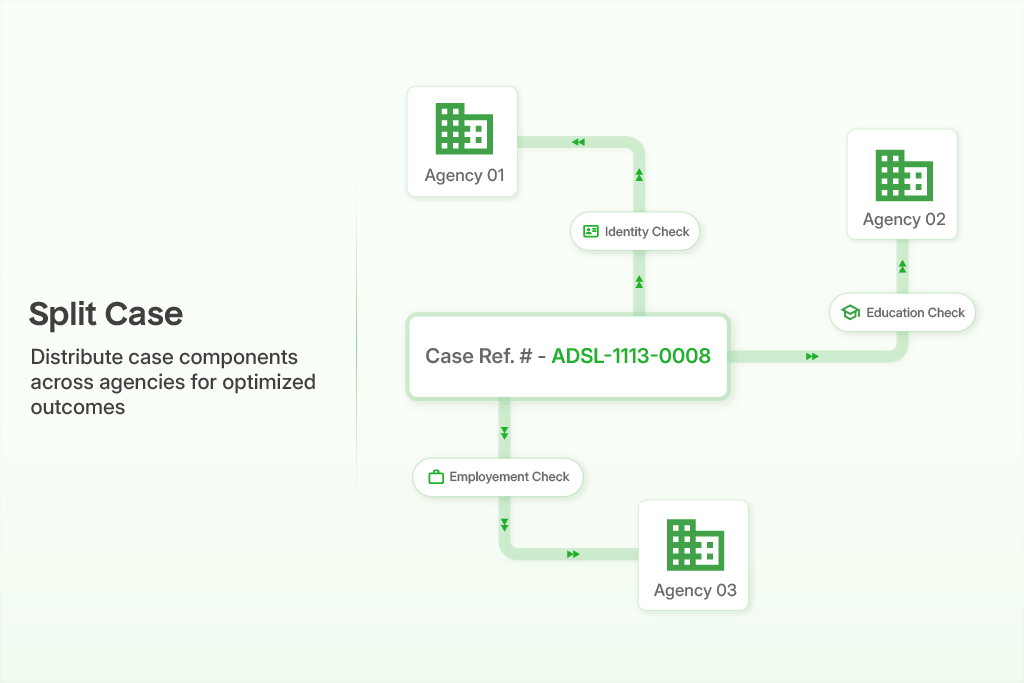
This process of education checks helps confirm the authenticity and the accuracy of a candidate's academic qualifications. It involves processes such as contacting universities, colleges, high schools, or vocational institutions. In some cases, official transcripts, graduation certificates, or enrollment records are reviewed. Verification may also confirm the accreditation status of the institution to ensure it is recognized by appropriate educational authorities.
Role of Education Verification in BGV Process
When it comes to background verification, this particular check is considered the most crucial check, as it helps employers to validate whether the candidate possesses the required set of skills and education for the role or not.
Many organizations rely on accurate educational credentials when hiring for positions that demand technical expertise, professional licensing, or regulatory compliance.
For example, roles in healthcare, engineering, education, finance, and information technology require verified academic backgrounds to ensure competence and reduce organizational risk. By confirming academic details, companies protect themselves from reputational damage, operational risks, and potential legal liabilities.
Education verification is commonly required during recruitment, promotions, professional certification applications, and even visa processing. To conduct this verification, the individual’s consent is usually required to comply with privacy and data protection laws. Applicants may need to provide documentation such as copies of diplomas or transcripts along with identifying information. The time required to complete verification varies depending on the institution’s response time and whether international records are involved.
Maintaining confidentiality is essential throughout the process. Organizations must handle academic information securely and use it only for legitimate purposes. Inaccurate or fraudulent claims may result in job offer withdrawal, termination of employment, or legal consequences.