New Aadhaar App 2.0 Comes With QR Based Verification Feature
Aadhaar is the go-to identification document requested from an Indian individual at airports, banks, while buying a new sim or even for a new gas connection. Practically, for everything.
But have you ever thought about us distributing a key piece of information which is linked to almost every document whether formal or not we sign? What if the information gets misused by some malicious person or entity?
The new Aadhaar App 2.0 is a step towards fixing that.
What’s different? This time it’s not just compliance with the DPDP Act, but a clear structure around control, portability and data minimalism.
Let’s take a look at the changes introduced in Aadhaar App 2.0
KYC is Moving from full Data Collection to Purpose-based Verification
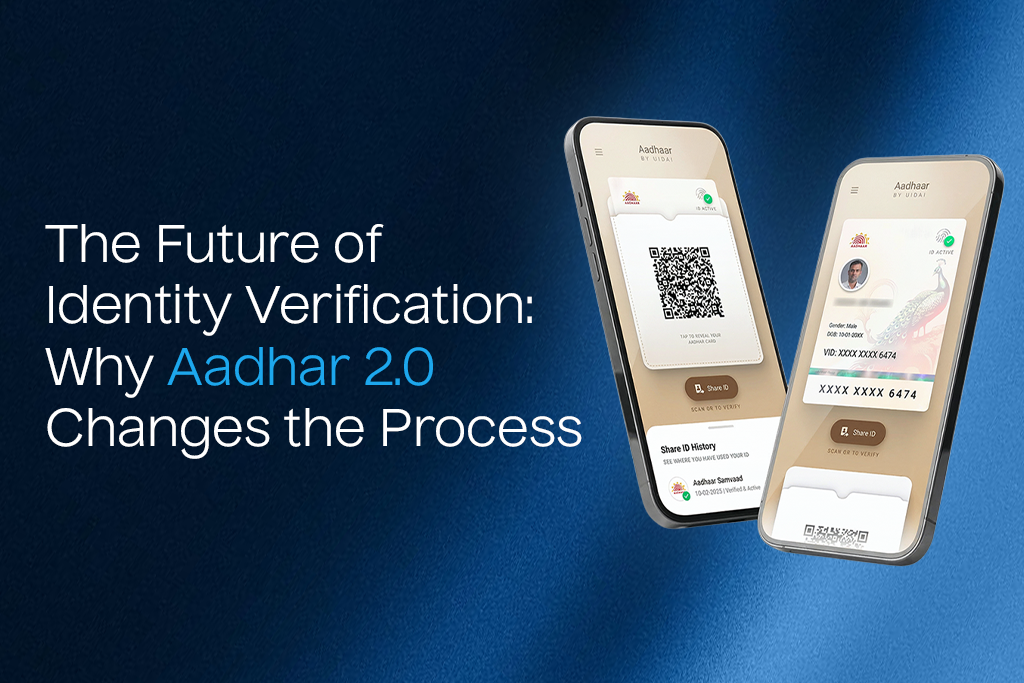
One of the most practical additions in this application is Masked Aadhaar. Instead of showing your full Aadhaar number, the app lets you:
- Show only part of your number (like the last 4 digits)
- Decide what information others can see
- Lower the risk of identity misuse
- Share your Aadhaar more safely when needed
This means that iAadhaar is more privacy-friendly, where less information is shared by default, not all of it.
Another major update that we’ve noticed is selective data sharing. Instead of handing over full Aadhaar details every time, I can now share just what’s needed, maybe only Date of Birth (DoB) verification or just identity confirmation.
To me, this changes the nature of Aadhaar itself: It moves from identity disclosure to identity verification, which matters because it reduces unnecessary exposure and aligns with where global consent-driven systems are heading.
Family-based identity management reflects real usage patterns
Generally, many services, especially government schemes, healthcare and education are accessed at a household level and not individually.
Managing identity for dependents currently involves repeated data entry and multiple verification steps. With family profile management of the Aadhar app, a single user can handle linked identities in one place. This simplifies access, reduces redundancy, and makes the system more aligned with how people actually use these services.
User-controlled biometric locking strengthens security at the edge
Security in Aadhaar has largely been system-driven so far. The biometric lock feature shifts part of that control directly to the user.
Being able to lock or unlock biometric authentication in real time allows users to prevent unauthorized usage instantly.
Data minimization reduces both risk and compliance load
A consistent theme across these changes is that only necessary data is shared and stored.
For businesses, this means handling less sensitive information, which directly reduces security risks and compliance burden, especially with regulations like the DPDP Act coming into focus. It also forces a rethink of how much data is actually required to deliver a service.
To sum up, the change is more like Aadhar moving from just being a document you submit to becoming a system you actively interact with and control.
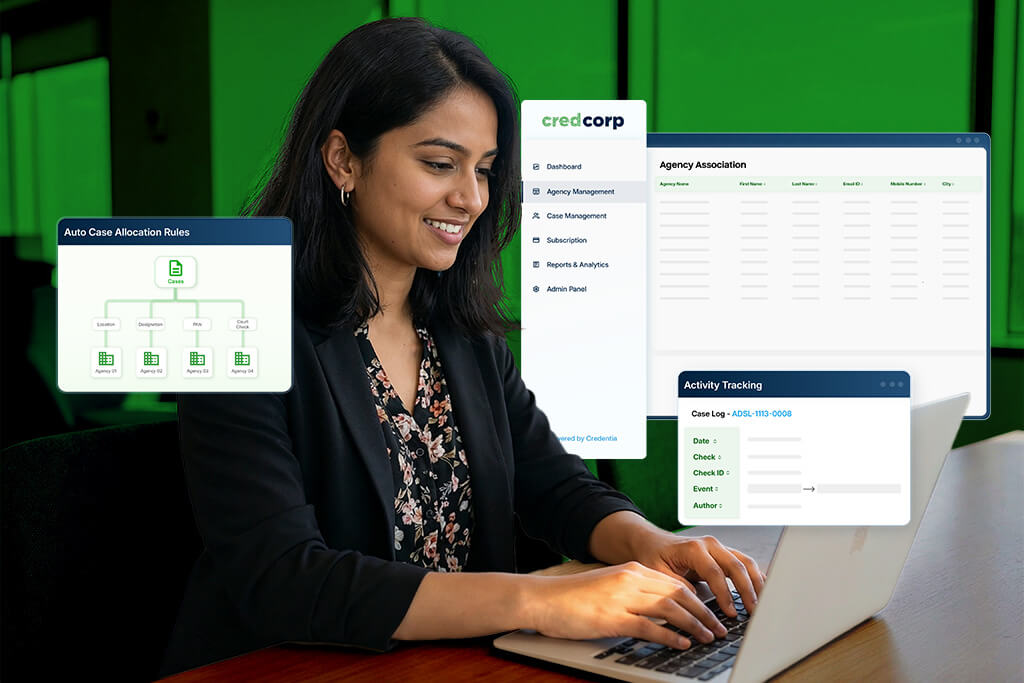
For BGV management platforms, this means moving away from bulk data collection toward intelligent, purpose-driven verification workflows, where the right data is accessed at the right time, without unnecessary exposure.
The opportunity now is to design systems that align with this new identity layer, modular, consent-led, and real-time.
Because going forward, the question won’t be how much data you can collect, but how efficiently you can verify with the least amount of data.