3 Myths About the Background Verification Process - Busted
The interview went well, and you are confident you have found the right candidate for the role. You are ready to send the offer letter. Then it hits you - background verification (BGV) still needs to be done.
You immediately assume it will take another 14 to 21 days. In today’s highly competitive job market, that delay is often enough for a candidate to lose interest or accept another offer.
But you know deep down that background verification does not have to take that long. The delay is typically because of the way the process is managed, not the verification itself. With a centralized platform like CredCorp, the entire process becomes faster, clearer, and easier to control.
In the same way, several common myths continue to slow down hiring teams. Let us break down assumptions to understand how the process can work better for everyone involved.
Myth 1: BGV Compliance is the Same Everywhere, in India as well as International Markets
At first, this myth seems plausible. After all, background verification (BGV) worldwide typically includes the verification of Personally Identifiable Information (PII), along with checks on education, employment history, criminal records, and other standard checks.
This makes it easy to assume that the rules surrounding these processes remain largely the same.But that assumption couldn’t be further from the truth.
Every country, and often every region, has its own way of regulating how candidate data can be collected, stored, shared, and used. What is perfectly acceptable in one geography may be restricted or outright illegal in another.
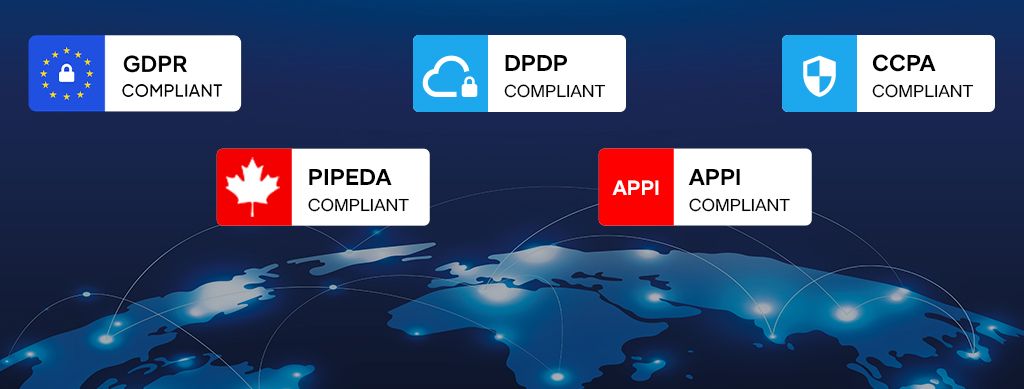
For example, in the EU, General Data Protection Regulation (GDPR) establishes a stricter stance on consent, data minimization, and individual rights.
The UK adds another legal layer through the Rehabilitation of Offenders Act, which allows certain offenders to lawfully withhold disclosure of past convictions once the rehabilitation period ends.
Similarly, in India, the Digital Personal Data Protection (DPDP) Act places clear accountability on employers for how candidate data is handled.
Laws continue to evolve. New guidelines are issued. Local interpretations change from region to region. Managing all of this manually is not just difficult, it significantly increases risk.
When compliance is overlooked, the consequences can include invalid background verification checks, hiring delays, regulatory penalties, and even reputational damage.
The reality is that global hiring doesn’t come with global rules. BGV compliance is local, dynamic, and non-negotiable, and treating it as “mostly the same everywhere” is a mistake teams can’t afford to make.
Myth 2: Candidate Data is Secured in Traditional BGV Process
It’s common to assume that because BGV has been around for decades, the systems behind it must be secure by default. Many teams trust traditional BGV setups simply because they’re familiar.
But the truth is familiarity can not be equated with safety.
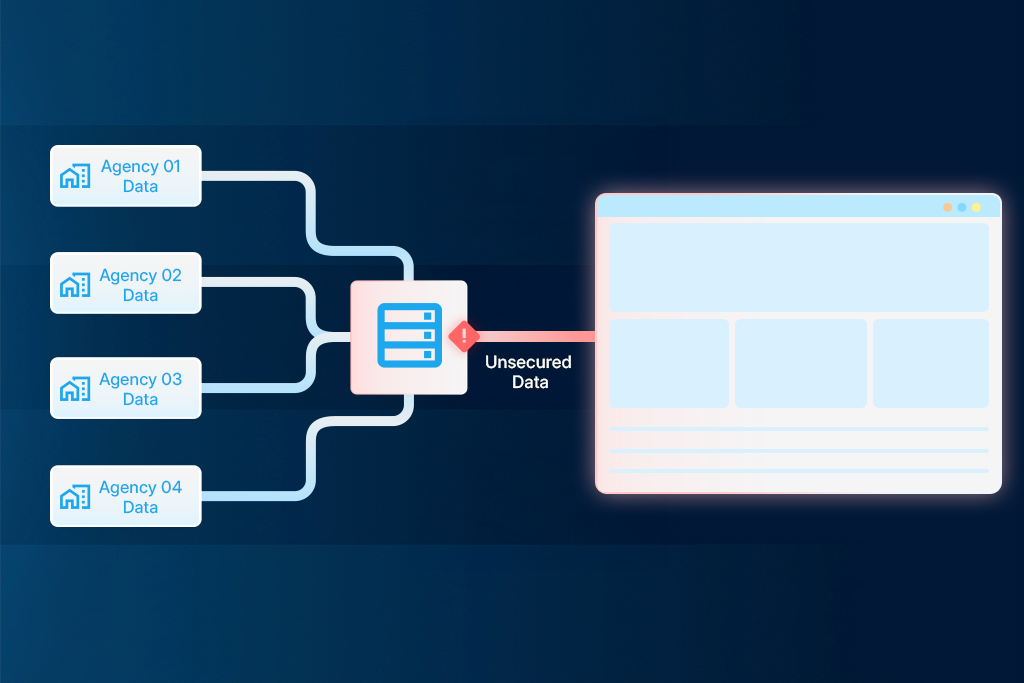
In reality, a lot of BGV processes still rely on emails, spreadsheets, shared folders, and multiple vendor handoffs. Sensitive candidate data passes through several systems, often without strong encryption, access controls, or clear audit trails.
The risk here isn’t hypothetical. A single data leak can lead to compliance violations under laws (as already stated), not to mention a serious loss of candidate trust.
Once that trust is broken, it’s incredibly hard to win back.
Myth 3: Slower BGV Processes are More Accurate and Reliable

There’s a long-standing belief that if BGV takes time, it must be thorough. The fact is verification isn’t about deep analysis, the process is more about confirming facts or say its a binary process - either the information is true or it’s not.
To begin with, teams spend significant time collecting the right documents in the correct format and sharing information across multiple teams and vendors.
Moreover, with little or no tracking in place, accountability remains a prominent issue. This leads to avoidable delays that could be prevented with simple measures, such as clear timelines or basic penalization clauses.
Also, working with multiple vendors adds another layer of complexity. Reports arrive in different formats and must be manually reworked to match company policies before they can be shared.
On top of all this, the process is spread across several systems, many of which are not designed to handle the complexity of background verification. The result is increased operational overhead and reduced efficiency.
To summarize, the real reason the process falls behind is constant rework, missing accountability, lack of standardization, and the absence of a central platform to manage everything.
None of these makes the process more accurate; all it does is slow it down further. In the meantime, candidates are left waiting, offers are put on hold, and hiring teams risk losing great talent.
How CredCorp Cut Background Verification Timelines by 54% with Smart Workflows and Automation
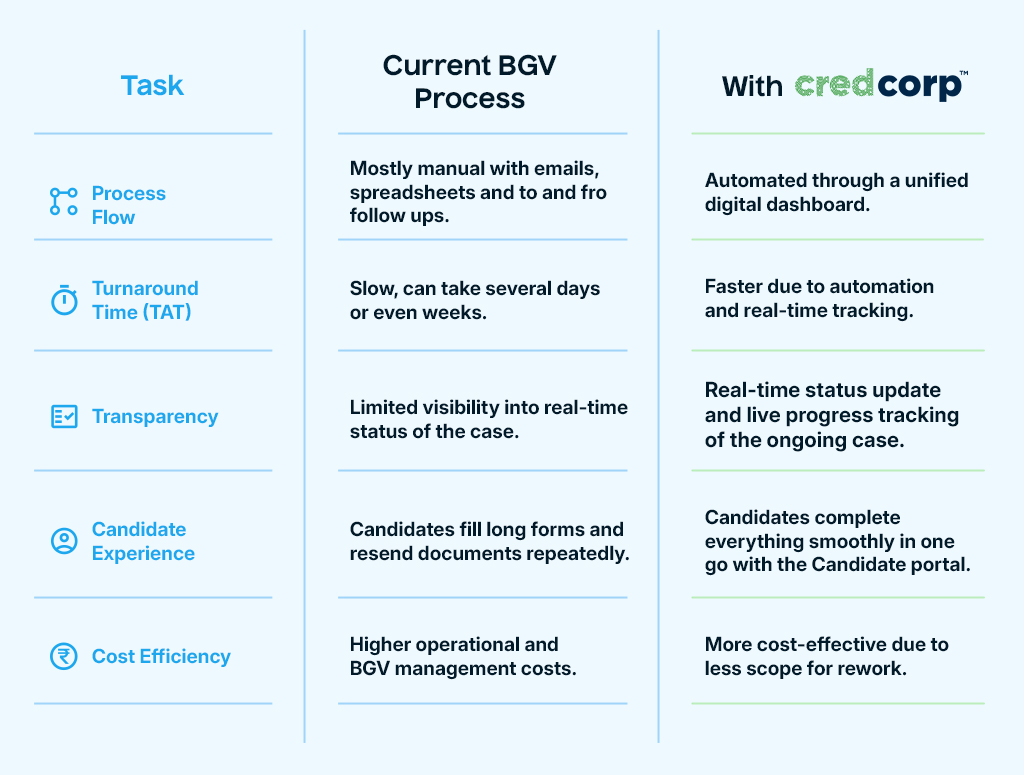
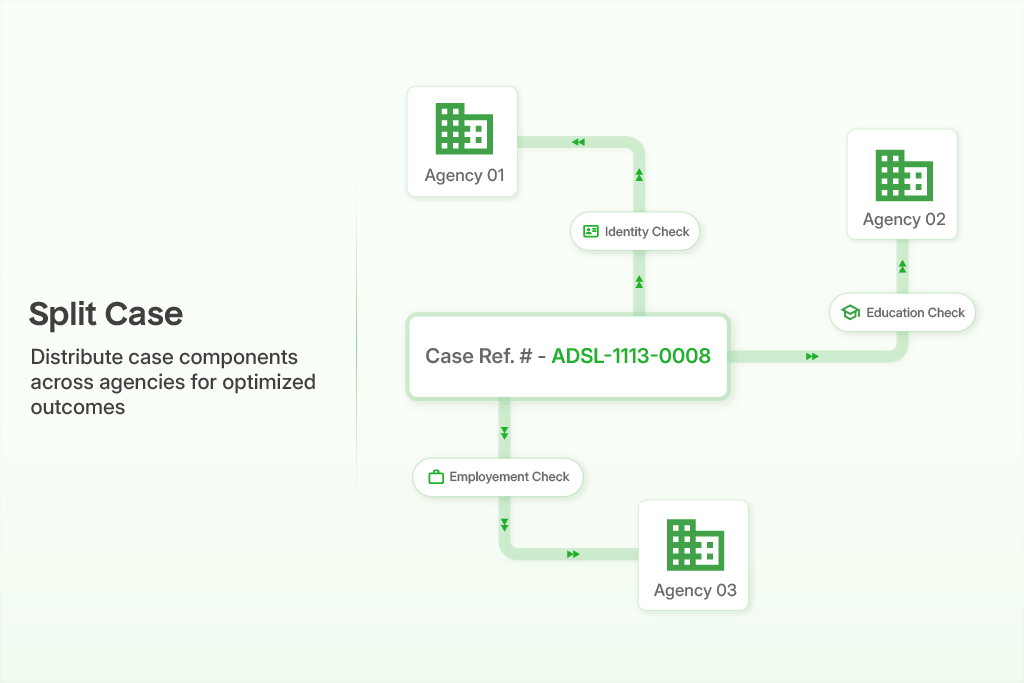
Credcorp replaces spreadsheets, emails, and disconnected vendor tools with a single, centralised platform. Every check, document, and update is available in one place, so HR teams spend less time coordinating and more time hiring.
With real-time activity tracking, HR teams can instantly see what is complete, what is pending, and where attention is required. There is no need to wait for manual updates or follow-ups.
CredCorp also uses automated, rule-based workflows. You configure the workflow once and reuse it every time a new batch of candidates is sent for verification.
In simple terms, CredCorp makes background verification automated, secure, and well-organized. As a result, verification timelines can be reduced by up to 54%, without compromising accuracy or compliance.
Clear communication, fewer touchpoints, and transparent timelines create a smooth and professional experience for candidates. At the same time, HR teams gain better structure, control, and confidence.
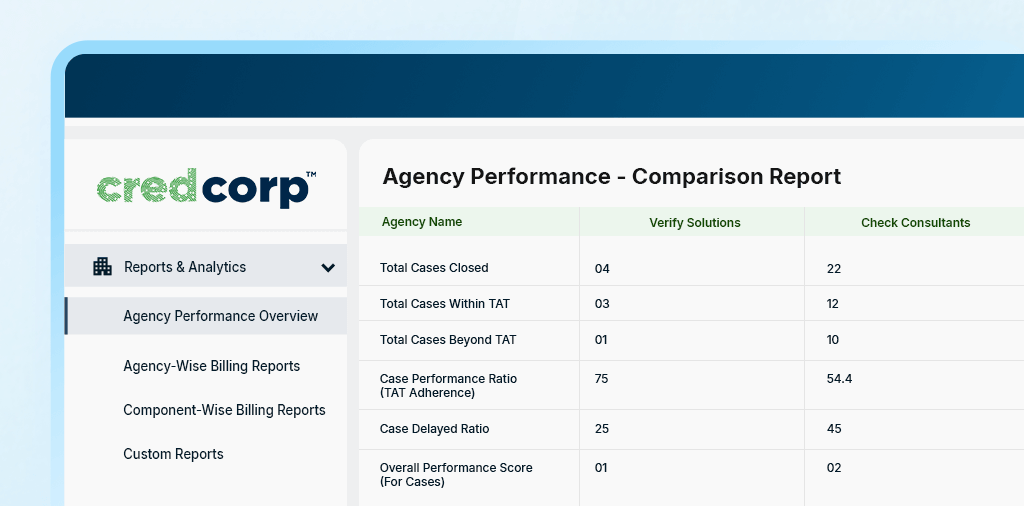
See how BGV agencies perform at every step with CredCorp CredCorp
Key Takeaways: The 60-Second Summary
- Background verification is not a last-minute checkbox. It directly impacts hiring speed, compliance, and candidate experience.
- BGV compliance is not universal; every country and region follows different rules that must be tracked and respected.
- Traditional BGV processes are not inherently secure and often expose sensitive candidate data to serious risks.
- Slower verification does not mean better verification; it usually signals inefficiency.
- Speed and accuracy can coexist when BGV is powered by the right technology having a well-organised workflow.
- An intuitive SaaS platform like CredCorp helps teams stay compliant, move faster, and hire with confidence.